

Japan’s gaming culture is a vibrant tapestry woven from history, innovation, and community. From the iconic arcades of the 80s to the rise of eSports, gaming has become an integral part of daily life for millions. I’ve always been fascinated by how this culture reflects broader societal trends, merging technology with creativity in ways that captivate both locals and global audiences.
As I delve into the nuances of gaming in Japan, I’ll explore the unique elements that set it apart. It’s not just about the games themselves; it’s about the experiences, the friendships formed, and the cultural phenomena that have emerged. Join me as we journey through this dynamic world, uncovering what makes Japan a powerhouse in the gaming industry.
Key Takeaways
- Japan’s gaming culture has evolved from arcade centers in the 1980s to a leading force in modern eSports and mobile gaming, forming a vital part of social life.
- Iconic franchises such as “Final Fantasy” and “Pokémon” represent Japan’s storytelling prowess, fostering community through shared gaming experiences.
- Traditional Japanese culture, including mythology and folklore, heavily influences game narratives and aesthetics, merging gaming with cultural heritage.
- Technological advancements, like VR and AR, keep Japan at the forefront of gaming innovation and enhance immersive experiences for players.
- Console gaming remains dominant in Japan, while mobile gaming has seen explosive growth, catering to diverse audiences with free-to-play models and social engagement.
- Japanese games have made a significant global impact, shaping international gaming culture through popular titles and collaborative ventures with developers worldwide.
Overview of Gaming Culture in Japan
Japan’s gaming culture serves as a global cornerstone, with its roots tracing back to the arcade boom of the 1980s. Arcades once filled with iconic titles like “Pac-Man” and “Street Fighter” created social hubs for gamers. I see how these spaces fostered communal experiences that continue to shape gaming today.
The rise of home consoles such as the NES and PlayStation revolutionized access to gaming, integrating it into everyday life. Gamers often engage with franchises like “Final Fantasy” and “Pokémon,” which reflect rich storytelling and artistic creativity. Such games enhance social connections, fostering friendships through shared experiences.
Today, Japan leads in the eSports arena, hosting high-stakes tournaments and competitions that attract worldwide attention. Competitive gaming exemplifies skill, strategy, and collaboration, drawing in diverse audiences. Notable events, such as the Tokyo Game Show, showcase innovations and emerging trends, highlighting Japan’s pivotal role in the gaming industry.
Mobile gaming also thrives in Japan, with titles like “Fate/Grand Order” and “Monster Strike” dominating the market. These games adapt easily to on-the-go lifestyles, appealing to a wide demographic. Mobile gaming maintains community engagement through collaborations, events, and social networks.
Cultural phenomena like “Cosplay” demonstrate the vibrant blend of gaming and creative expression within Japan. Fans embody favorite characters, showcasing dedicated craftsmanship and artistry. This practice strengthens community bonds and enhances the cultural significance of games.
Anime and manga further intertwine with gaming culture, influencing narratives and character designs. Iconic series often inspire video game adaptations, creating immersive experiences that captivate audiences. These synergistic relationships elevate gaming beyond mere entertainment, embedding it within the larger cultural fabric of Japan.
Historical Perspective
Japan’s gaming culture has a rich and vibrant history that showcases its evolution over the decades. Understanding this trajectory provides insight into how gaming intertwined with Japanese society.
The Birth of Video Games
The emergence of video games in Japan traces back to the early 1970s, with the introduction of arcade machines like “Space Invaders” in 1978. These machines created social spaces, allowing players to gather and compete. The initial success of titles like “Pong” and “Donkey Kong” paved the way for a burgeoning arcade industry. By the mid-1980s, arcades became cultural landmarks, drawing crowds to experience cutting-edge technology and innovative gameplay. The arcade culture fostered community bonding and introduced the concept of competitive gaming, laying the groundwork for modern gaming phenomena.
Evolution of Game Genres
The 1980s and 1990s marked a significant expansion in game genres, driven by the popularity of home consoles. Action games, role-playing games (RPGs), and adventure titles blossomed, revealing players’ diverse preferences. Iconic franchises such as “Final Fantasy” and “The Legend of Zelda” emerged, captivating audiences around the globe. The introduction of 3D graphics in the mid-1990s transformed gameplay experiences, allowing for more immersive environments. As gaming evolved, new genres surfaced, including fighting games, simulation games, and mobile games, which adapted to changing player dynamics. This genre diversity has helped solidify Japan’s position as a global gaming powerhouse.
Major Influences on Gaming Culture
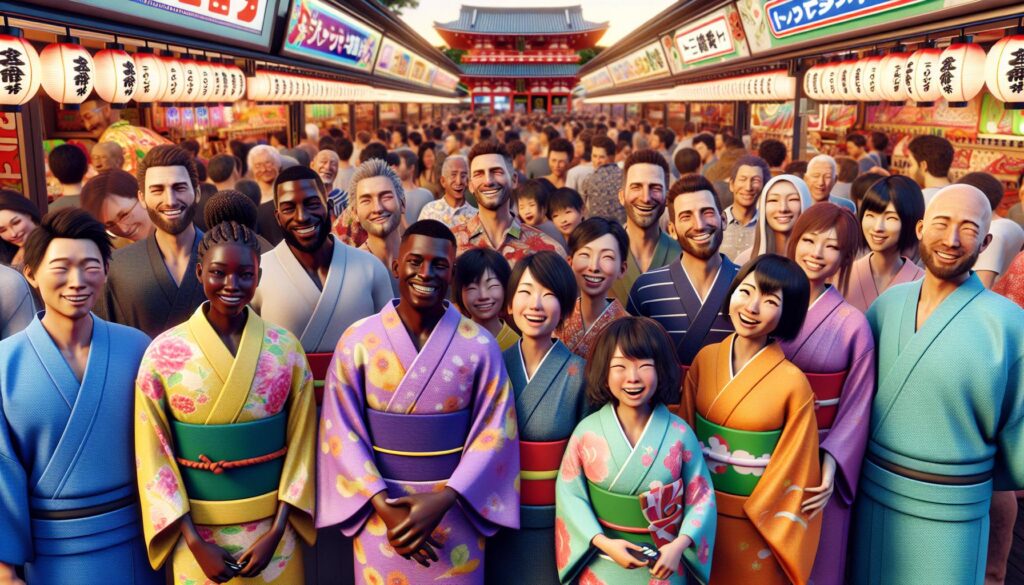
Japan’s gaming culture has been shaped by various influences, integrating traditional elements with modern technological advancements. These influences create a unique landscape that defines gaming in Japan today.
Traditional Japanese Culture
Traditional Japanese culture significantly impacts gaming themes, aesthetics, and narratives. Mythology, folklore, and historical tales inspire many game narratives, evident in titles like “Okami” and “Nioh.” Art styles reflect classical Japanese art forms, with vibrant visuals capturing elements of calligraphy and landscape painting. Additionally, values such as teamwork and perseverance, common in traditional storytelling, resonate through gameplay mechanics in multiplayer and RPG genres. Events like matsuri (festivals) often serve as backdrops or inspiration for game settings, nurturing a connection between gaming and cultural heritage.
Technological Advancements
Technological advancements drive innovation within Japan’s gaming industry, enhancing gameplay experiences. The evolution from arcade machines to sophisticated home consoles exemplifies this transformation. The introduction of virtual reality (VR) and augmented reality (AR) pushes the boundaries of immersive experiences, as seen in games like “Beat Saber” and “Pokémon GO.” Mobile technology also revolutionizes accessibility, allowing players to engage with games anytime and anywhere. Furthermore, advancements in internet infrastructure fuel online gaming communities, emphasizing player interaction and competition through platforms like Twitch and YouTube. These technological shifts ensure Japan remains at the forefront of gaming innovation.
Key Components of Japanese Gaming
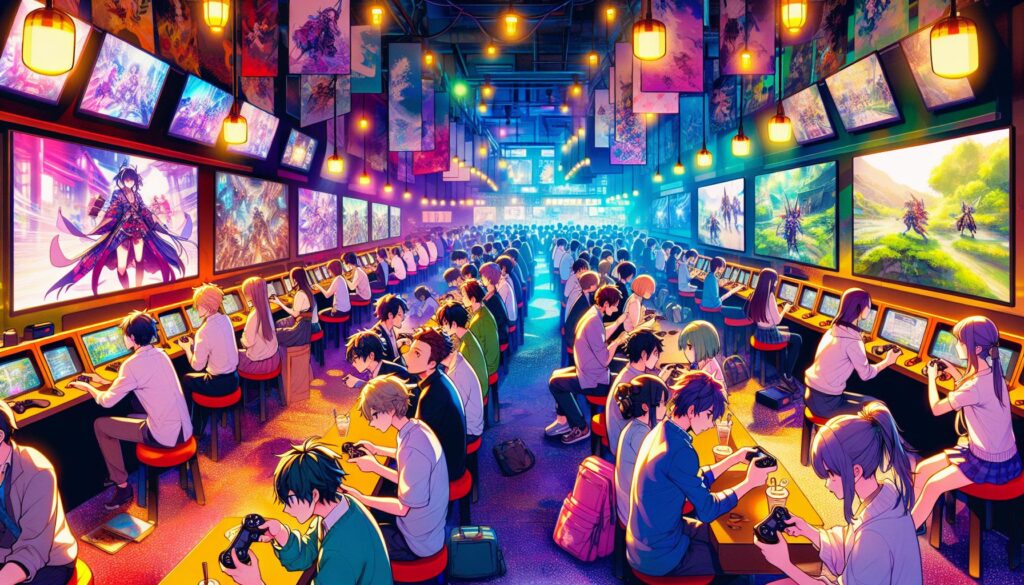
Gaming culture in Japan encompasses various elements that shape the experience for players. Two significant areas within this culture are console gaming versus PC gaming, and the prevailing trends in mobile gaming.
Console Gaming vs. PC Gaming
Console gaming thrives in Japan, with major brands like Sony and Nintendo leading the market. Popular consoles include the PlayStation 5 and the Nintendo Switch, which dominate sales and influence gaming trends. Exclusive titles, such as “The Legend of Zelda: Breath of the Wild” and “Final Fantasy VII Remake,” create strong brand loyalty and engage communities.
PC gaming, while growing, doesn’t hold the same cultural weight as consoles. However, it attracts a dedicated segment of players, especially for genres like first-person shooters and real-time strategy games. Games like “League of Legends” and “Dota 2” have fostered competitive scenes, though these pale compared to the console’s overall market presence. The preference for console gaming aligns with Japan’s focus on local gaming experiences and social gaming, often enjoyed in shared spaces like cafes.
Mobile Gaming Trends
Mobile gaming in Japan has experienced exponential growth, appealing to a diverse demographic. Games like “Fate/Grand Order” and “Puzzle & Dragons” exemplify how mobile titles can become cultural phenomena, engaging millions of players daily. The convenience of mobile devices allows gamers to play anywhere, integrating gaming into daily routines.
F2P (free-to-play) models dominate, encouraging in-game purchases that enhance gameplay without requiring an upfront investment. Social features, such as team play and competitive events, maintain player engagement. This trend reflects a significant shift in how Japanese players access games, further solidifying mobile’s role in shaping the future of gaming culture.
The Global Impact of Japanese Games
Japanese games have transcended their origins, influencing global gaming culture significantly. Iconic titles and innovative game design have established Japan as a cornerstone of the gaming industry.
Popular Titles and Franchises
Japan’s gaming landscape boasts iconic titles that shaped the industry. Games like “Super Mario,” “Final Fantasy,” and “Zelda” set benchmarks for gameplay and storytelling. Each franchise attracts millions of players, fostering dedicated fan bases. The “Pokémon” franchise alone generated over $100 billion in revenue, demonstrating its massive global appeal. Additionally, niche titles like “Persona” and “Monster Hunter” have also developed dedicated followings, enhancing Japan’s recognition in diverse gaming genres. These franchises continue to evolve, often integrating modern technologies and engaging narratives that resonate across cultures.
Cultural Exports and Collaborations
Japan’s gaming culture plays a key role in cultural exports and collaborations. Collaborations between Japanese developers and international studios have created innovative experiences, blending different gaming cultures. For instance, the partnership between Square Enix and Disney for “Kingdom Hearts” merged iconic characters in a unique storytelling environment. Moreover, the influence of Japanese aesthetics, storytelling techniques, and gameplay mechanics has inspired developers worldwide. Titles like “Street Fighter” and “Tekken” have crossed borders, becoming essential parts of esports tournaments, further establishing Japan’s impact on the global gaming scene. This exchange enriches the gaming experience and solidifies Japanese games’ status as global cultural phenomena.
Japan’s gaming culture is a vibrant tapestry woven from history creativity and innovation. It’s fascinating to see how this culture has evolved from bustling arcades to the global eSports phenomenon we know today. The blend of traditional influences with cutting-edge technology continues to shape unique gaming experiences that resonate worldwide.
As I explore this dynamic landscape I can’t help but appreciate the friendships and communities that gaming fosters. Japan’s influence on the industry is undeniable and its commitment to pushing boundaries ensures that the future of gaming will remain exciting and full of possibilities. This culture isn’t just about games; it’s a reflection of a society that values creativity collaboration and connection.
