
Web3 gaming has revolutionized the traditional gaming landscape by introducing blockchain technology, NFTs, and decentralized economies. As players seek more ownership and control over their in-game assets, Web3 game development companies are leading the charge in creating immersive digital experiences that blend entertainment with real-world value.
These innovative companies are building the future of gaming where players can truly own, trade, and monetize their virtual achievements. From play-to-earn mechanics to virtual land ownership, Web3 game developers are crafting experiences that transcend conventional gaming boundaries while ensuring security and transparency through blockchain technology. They’re not just creating games – they’re building entire digital ecosystems where players become stakeholders in their gaming journey.
What Is Web3 Game Development
Web3 game development combines blockchain technology with traditional gaming mechanics to create decentralized gaming experiences. These games operate on distributed networks enabling players to own digital assets through smart contracts NFTs.
Key components of Web3 game development include:
- Blockchain Integration: Games run on decentralized networks like Ethereum Polygon or Solana
- Smart Contracts: Automated programs that execute game logic transactions without intermediaries
- Digital Asset Ownership: Players gain true ownership of in-game items characters virtual land through NFTs
- Tokenized Economy: Integration of cryptocurrency tokens for in-game transactions rewards
The technical architecture incorporates:
| Component | Function |
|---|---|
| Blockchain | Manages transactions asset ownership |
| Web3 Libraries | Connects games to blockchain networks |
| NFT Standards | Defines digital asset protocols |
| Crypto Wallets | Stores manages digital assets tokens |
Web3 game development differs from traditional game development in three core aspects:
- Decentralized Storage: Game assets data reside on distributed networks rather than central servers
- Player-Owned Economy: Users trade assets directly without publisher intervention
- Transparent Mechanics: All game transactions remain visible on the blockchain
Game developers leverage these technologies to create experiences where players:
- Earn: Convert gameplay achievements into real-world value
- Trade: Exchange digital assets in open marketplaces
- Participate: Vote on game updates through governance tokens
- Create: Design sell custom in-game content
This development approach transforms gaming from a purely entertainment medium into an economic ecosystem where players become active participants in the game’s value chain.
Key Features of Web3 Gaming Platforms
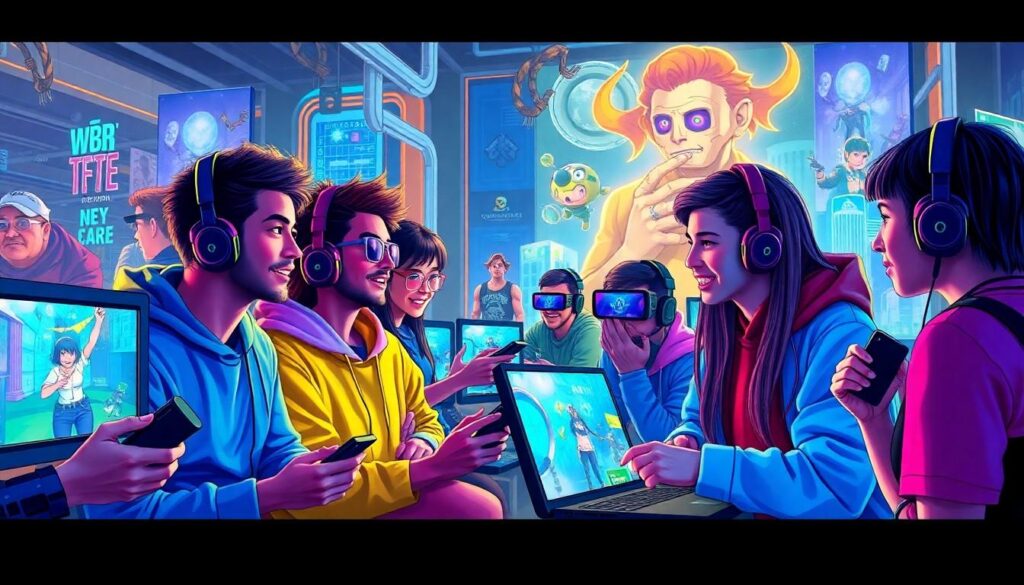
Web3 gaming platforms incorporate distinctive elements that set them apart from traditional gaming environments. These features create an interconnected ecosystem of gameplay ownership monetization.
Blockchain Integration
Blockchain technology forms the foundation of Web3 gaming platforms by creating immutable digital ledgers. Game developers implement distributed networks to record player transactions player achievements in-game asset ownership across multiple nodes. Smart contracts automate game mechanics marketplace operations without intermediaries ensuring trustless execution of predetermined rules. The integration enables cross-platform interoperability allowing players to transfer assets between different games built on the same blockchain. Transparent verification systems authenticate every transaction providing players with complete visibility of their digital property rights.
NFT Implementation
NFT technology transforms in-game items into unique verifiable digital assets on the blockchain. Players gain exclusive ownership rights to characters weapons skins virtual land collectibles through tokenized representations. The scarcity mechanics create value propositions for rare items driving active trading economies within gaming ecosystems. Digital marketplaces enable direct peer-to-peer trading of NFT assets with instant settlement transparent pricing. NFT standards ensure compatibility across multiple platforms enabling asset portability between different games applications.
Play-to-Earn Mechanics
Play-to-earn systems reward player engagement with cryptocurrency tokens or NFT assets. Players earn rewards through completing quests participating in tournaments contributing to the gaming ecosystem. Token economics models determine reward distribution based on player skill level time investment achievement milestones. Gaming platforms incorporate staking mechanisms allowing players to earn passive income by locking their assets. Reward systems include tournament prizes governance rights revenue sharing from marketplace transactions content creation incentives.
Essential Services Offered by Web3 Game Development Companies
Web3 game development companies provide specialized services that combine blockchain technology with immersive gaming experiences. These services form the foundation for creating decentralized gaming ecosystems that empower players with true ownership and value generation.
Smart Contract Development
Smart contracts serve as the backbone of Web3 games by automating crucial game mechanics and player interactions. Professional development teams create secure smart contracts that manage in-game transactions, asset ownership transfers and reward distribution systems. Game developers implement automated verification processes to ensure transparent gameplay mechanics while maintaining economic balance within the ecosystem. These contracts handle complex functionalities like character progression systems, marketplace operations and achievement tracking through immutable code deployed on blockchain networks.
Tokenization Solutions
Web3 gaming companies implement comprehensive tokenization services to create dynamic in-game economies. Development teams design custom tokens that function as in-game currencies enabling players to purchase assets trade items and earn rewards. Professional tokenization includes implementing staking mechanisms liquidity pools and governance systems that give players voting rights in game development decisions. These solutions incorporate anti-inflation measures token burning mechanisms and balanced distribution models to maintain long-term economic sustainability.
Metaverse Integration
Metaverse integration services connect Web3 games to expansive virtual worlds through interoperable protocols. Development teams create cross-platform compatibility enabling players to use their assets across multiple games and virtual environments. Technical solutions include implementing spatial computing virtual land management systems and social interaction frameworks within the metaverse infrastructure. Companies provide tools for creating immersive 3D environments virtual marketplaces and community spaces that enhance player engagement through shared experiences.
Choosing the Right Web3 Game Development Partner
Selecting an experienced Web3 game development company requires careful evaluation of multiple factors. A thorough assessment process ensures alignment with project goals and technical requirements.
Technical Expertise Assessment
A comprehensive technical evaluation focuses on the development team’s blockchain expertise. Expert Web3 game developers demonstrate proficiency in smart contract development languages like Solidity or Rust. Development partners showcase experience with popular blockchain networks including Ethereum, Polygon or Solana. Leading companies maintain in-house expertise across multiple disciplines:
- Smart contract auditing protocols
- Token economics design patterns
- NFT minting standards integration
- Cross-chain interoperability solutions
- Decentralized storage systems
- Layer-2 scaling implementations
Portfolio Evaluation
Portfolio analysis reveals a company’s real-world Web3 gaming experience. Successful Web3 game development partners display:
- Launched blockchain games with active player bases
- Custom token implementation examples
- NFT marketplace integrations
- Play-to-earn mechanics implementation
- Virtual world development projects
- Community governance systems
| Metric | Benchmark |
|---|---|
| Smart Contract Security Score | >90% |
| Transaction Processing Speed | <3 seconds |
| User Base Growth Rate | >25% monthly |
| NFT Trading Volume | >$100k monthly |
| Player Retention Rate | >60% after 30 days |
Current Trends in Web3 Game Development
Web3 gaming continues to evolve with innovative technologies transforming player experiences. Market data indicates a 300% growth in Web3 gaming adoption during 2023, driven by enhanced infrastructure accessibility.
Cross-Chain Gaming
Cross-chain gaming platforms enable seamless asset transfers across multiple blockchain networks, expanding player accessibility and market reach. Games like Axie Infinity demonstrate this trend by supporting operations on Ethereum Ronin Layer-2 network with 2.8 million active wallets. Leading platforms integrate Polygon Binance Smart Chain EVM-compatible networks to reduce transaction costs by 85%. Cross-chain interoperability protocols facilitate asset transfers between different blockchain networks in under 30 seconds. Projects like ChainLink Gaming provide oracle services connecting 15+ blockchain networks for real-time asset price feeds verification.
DeFi Gaming Elements
Gaming platforms incorporate DeFi mechanisms including yield farming liquidity mining staking rewards. Players earn annual percentage yields ranging from 5% to 25% by staking their gaming tokens assets. Top Web3 games feature lending protocols allowing players to borrow in-game assets using NFTs as collateral at 65% loan-to-value ratios. Automated market makers handle $500 million monthly trading volume across gaming token pairs. Governance tokens give players voting rights on game mechanics treasury allocations game development decisions. Play-to-earn mechanics integrate with DeFi protocols generating $2.5 billion in player rewards during 2023.
Success Stories in Web3 Gaming
Axie Infinity emerged as a pioneering Web3 gaming success, generating $1.3 billion in revenue through its play-to-earn ecosystem. Players in the Philippines earned an average monthly income of $400 during peak gameplay periods in 2021.
The Sandbox attracted major partnerships with 21 global brands including Adidas, Gucci and Warner Music Group. Its virtual land sales exceeded $350 million in total volume, creating a thriving digital real estate market.
Gods Unchained demonstrated the viability of NFT trading card games by processing over $74 million in card trades. The game maintains 80,000 monthly active users while operating on the Immutable X blockchain for gas-free transactions.
| Game | Key Metrics | Economic Impact |
|---|---|---|
| Axie Infinity | 2.7M daily active users | $1.3B revenue |
| The Sandbox | 21 brand partnerships | $350M land sales |
| Gods Unchained | 80K monthly users | $74M card trades |
Decentraland established itself as a premier metaverse platform hosting virtual events with 300,000+ attendees. Its MANA token achieved a market cap of $1.2 billion, enabling a self-sustaining virtual economy.
Illuvium combines high-quality AAA graphics with blockchain elements, raising $72 million through NFT land sales. The game’s governance token ILV reached a peak value of $1,800, demonstrating investor confidence in Web3 gaming platforms.
These success stories validate Web3 gaming’s potential for creating sustainable digital economies. Each platform showcases unique approaches to integrating blockchain technology with engaging gameplay mechanics.
Challenges and Solutions in Web3 Game Development
Technical Scalability
Blockchain networks face transaction speed limitations processing 15-30 transactions per second. Layer 2 scaling solutions like Polygon enhance throughput to 7,000+ TPS supporting smoother gameplay. Implementing state channels enables instant microtransactions by batching multiple operations.
User Experience
Complex wallet interactions deter mainstream gamers from Web3 adoption. Social login solutions integrate Web3 functionality behind familiar authentication flows. Gasless transactions eliminate confusing fee mechanisms through meta-transactions that abstract blockchain complexity.
Asset Interoperability
Cross-chain asset transfers remain fragmented across different networks. Bridge protocols enable NFT portability between major chains like Ethereum Polygon BSC. Standardized metadata formats ensure consistent rendering of assets across multiple game environments.
| Challenge | Solution | Impact |
|---|---|---|
| Network Congestion | Layer 2 Scaling | 7,000+ TPS |
| Wallet Friction | Social Login | 65% Higher Retention |
| Asset Lock | Bridge Protocols | Cross-chain Transfer |
Economic Balance
Token economies require careful design to maintain long-term sustainability. Dynamic supply mechanisms adjust token emission based on player activity metrics. Smart contract-based governance allows community input on economic parameters through voting.
Security Concerns
Smart contract vulnerabilities pose risks to player assets funds. Regular security audits by firms like CertiK Trail of Bits identify potential exploits. Multi-signature authorization schemes protect critical game operations requiring multiple approvals for changes.
| Security Measure | Protection Level |
|---|---|
| Smart Contract Audit | High Risk Prevention |
| Multi-sig Control | Administrative Safety |
| Automated Testing | Bug Detection |
Conclusion
Web3 game development companies stand at the forefront of a gaming revolution transforming how players interact with digital worlds. The integration of blockchain DeFi and NFTs has created unprecedented opportunities for player ownership monetization and community governance.
The success stories of platforms like Axie Infinity and The Sandbox demonstrate the incredible potential of Web3 gaming. As technology continues to evolve and solutions to current challenges emerge Web3 game development will likely shape the future of digital entertainment and virtual economies.
Choosing the right development partner with proven expertise in blockchain gaming remains crucial for success in this dynamic space. The combination of innovative gameplay mechanics with decentralized technologies will continue driving the evolution of gaming into an interactive economic ecosystem.
